The world is facing an unprecedented energy crisis, and it’s essential to educate the next generation about the importance of renewable and nonrenewable resources. As a parent or educator, you can play a significant role in shaping the minds of young learners and promoting sustainable practices. One effective way to do this is by using renewable and nonrenewable resources printable worksheets. These worksheets are designed to help kids understand the differences between renewable and nonrenewable resources, and how they impact the environment.
Renewable and nonrenewable resources are two fundamental concepts in environmental science. Renewable resources, such as solar and wind energy, are sustainable and can be replenished naturally. On the other hand, nonrenewable resources, like fossil fuels, are finite and contribute to pollution and climate change. By teaching kids about these concepts, you can help them develop a deeper appreciation for the importance of conservation and sustainability. With the help of renewable and nonrenewable resources printable worksheets, you can make learning fun and engaging for your students.
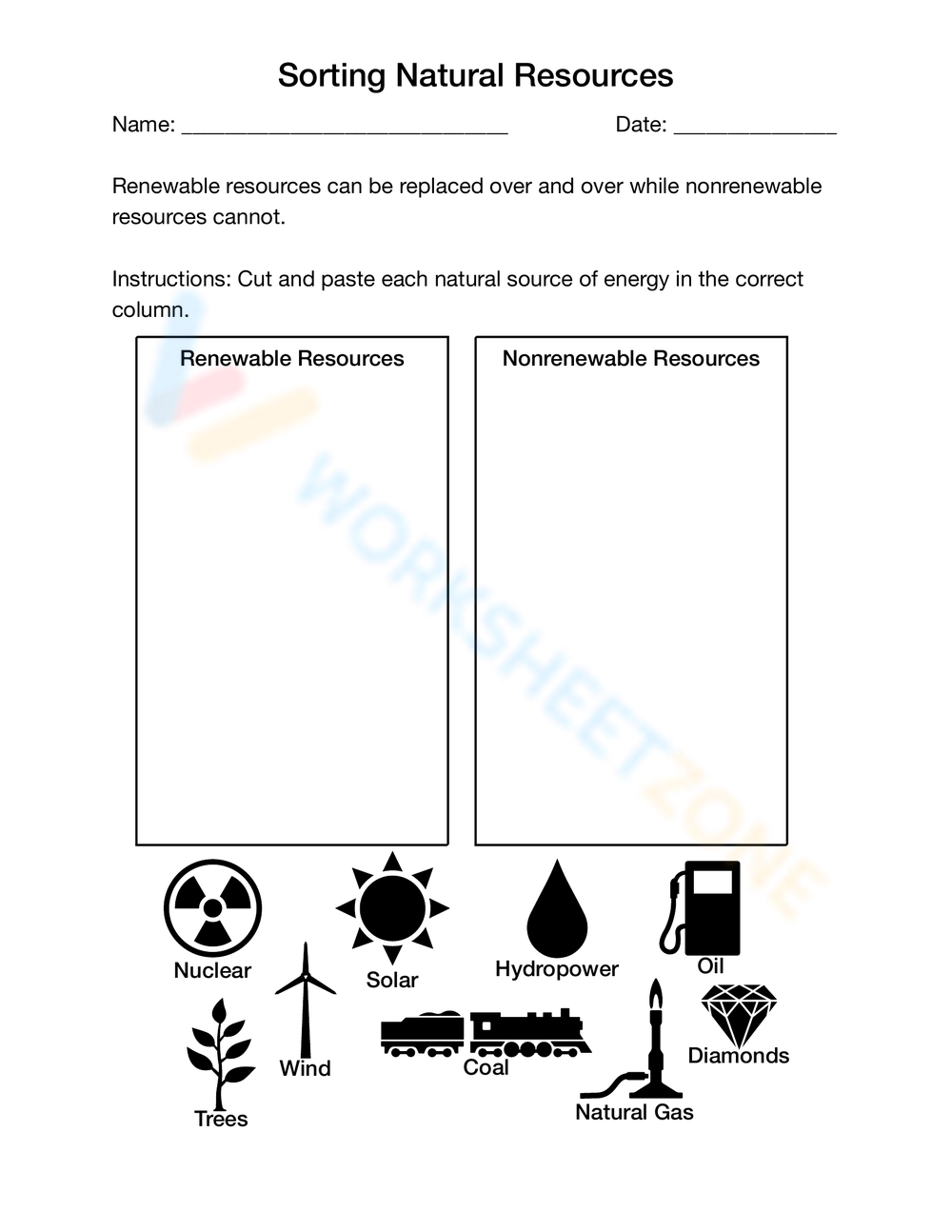
Printable Renewable And Nonrenewable Resources Worksheets
Understanding Renewable Resources
Renewable resources are a vital part of our planet’s ecosystem. They include solar energy, wind energy, hydro energy, and geothermal energy, among others. These resources are sustainable, meaning they can be replenished naturally, and they produce little to no pollution. Understanding renewable resources is crucial for kids, as it helps them appreciate the importance of conservation and sustainability. By using renewable and nonrenewable resources printable worksheets, you can help kids learn about the benefits of renewable energy and how it can be harnessed to power our homes, schools, and communities.
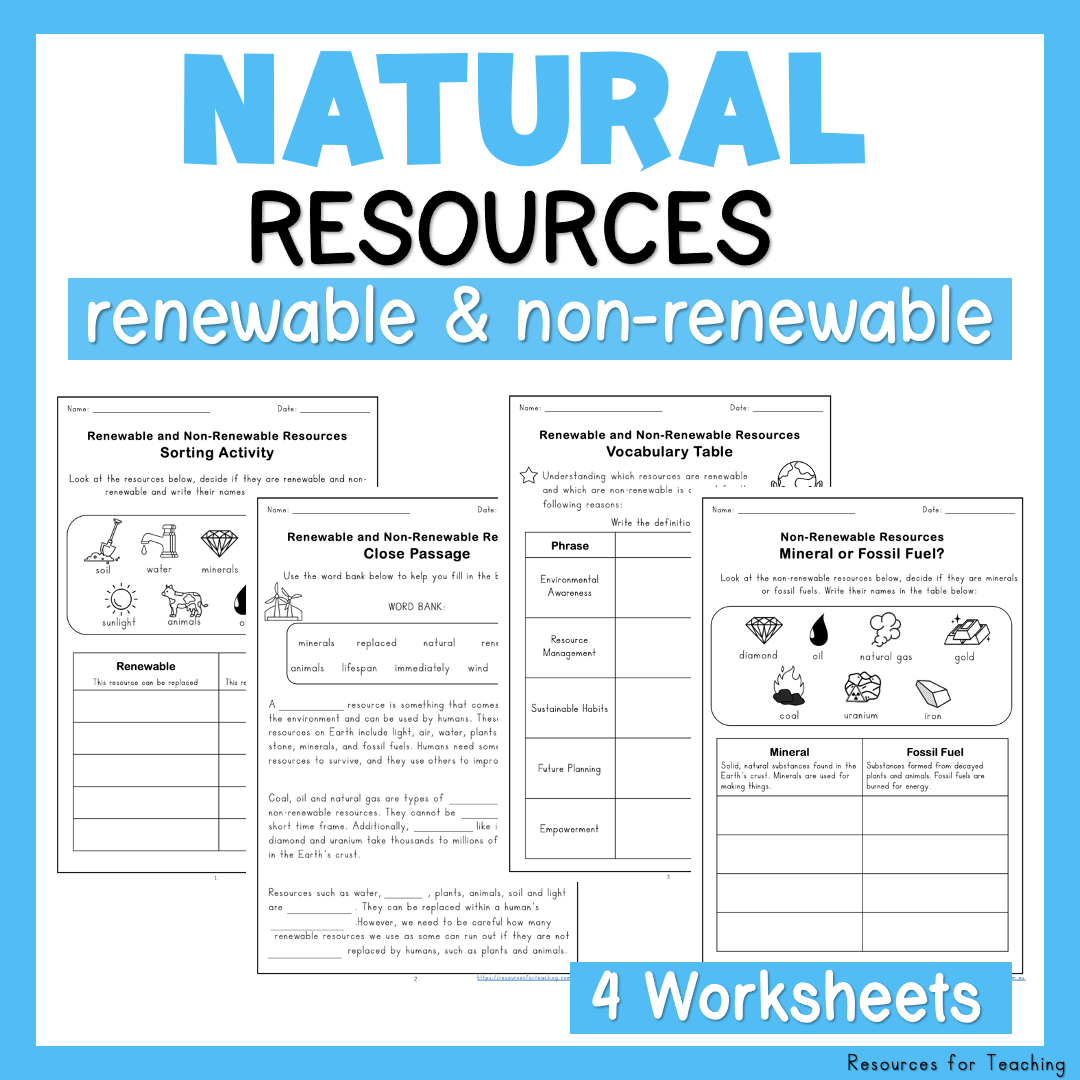
Natural Resources Renewable And Non Renewable Resources For Teaching Australia
Exploring Nonrenewable Resources
Nonrenewable resources, on the other hand, are finite and contribute to pollution and climate change. Fossil fuels, such as coal, oil, and gas, are examples of nonrenewable resources. They are formed from the remains of ancient plants and animals and take millions of years to form. However, they are being depleted at an alarming rate, and their use contributes to greenhouse gas emissions and climate change. By teaching kids about nonrenewable resources, you can help them understand the importance of reducing our reliance on these finite resources and transitioning to renewable energy sources.
Using Printable Worksheets for Effective Learning
Using printable worksheets is an effective way to teach kids about renewable and nonrenewable resources. These worksheets are designed to be engaging and interactive, making learning fun for students. They can include activities such as matching games, crossword puzzles, and quizzes, which help kids retain information and develop critical thinking skills. By incorporating renewable and nonrenewable resources printable worksheets into your lesson plans, you can help kids develop a deeper understanding of environmental science and promote sustainable practices in your community.
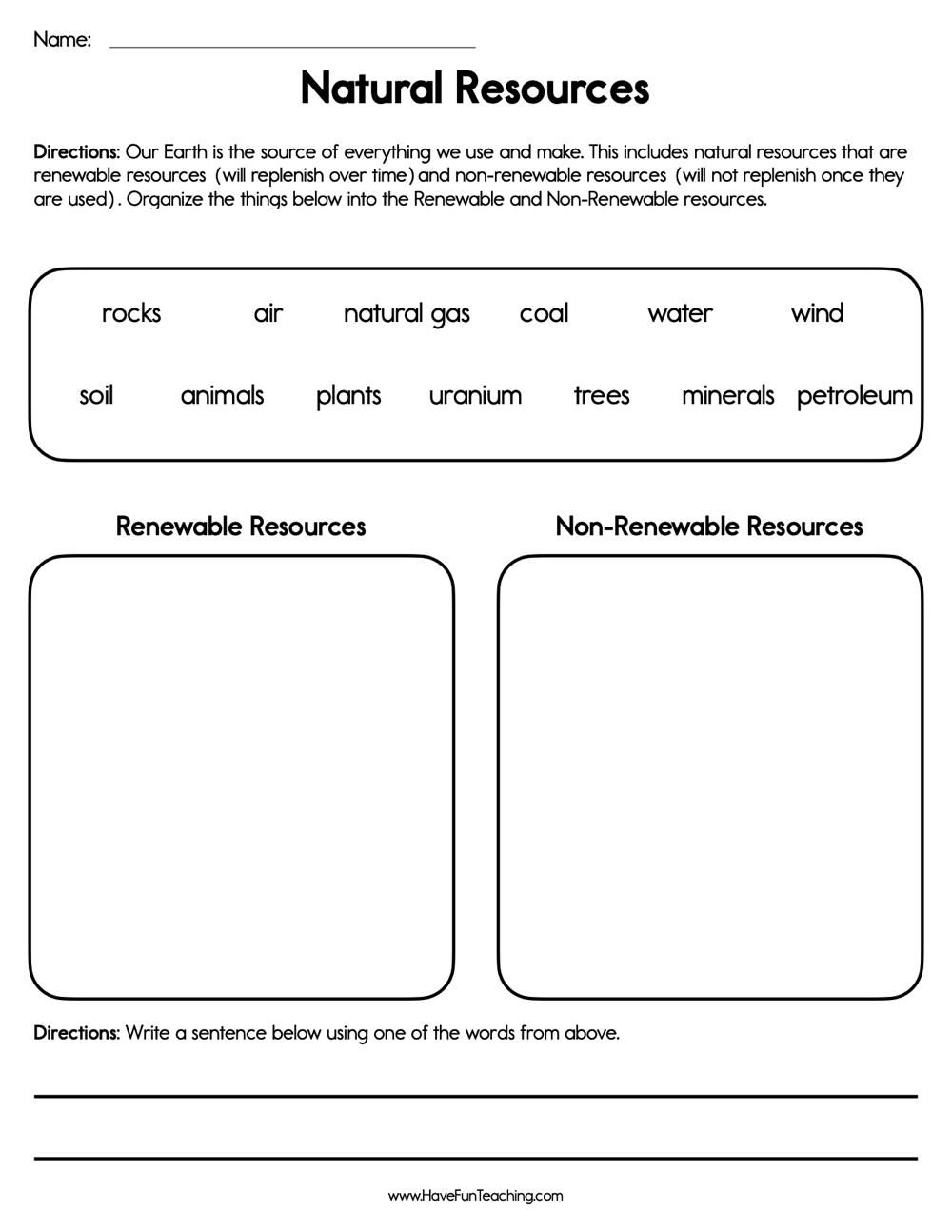
Natural Resources Sorting Worksheet Have Fun Teaching
In conclusion, teaching kids about renewable and nonrenewable resources is essential for promoting sustainability and conservation. By using renewable and nonrenewable resources printable worksheets, you can make learning fun and engaging for your students. These worksheets are a valuable resource for educators and parents, providing a comprehensive and interactive way to teach kids about environmental science. So why not start today and help shape the minds of the next generation? With the help of renewable and nonrenewable resources printable worksheets, you can inspire kids to become environmentally conscious and promote a sustainable future for our planet.
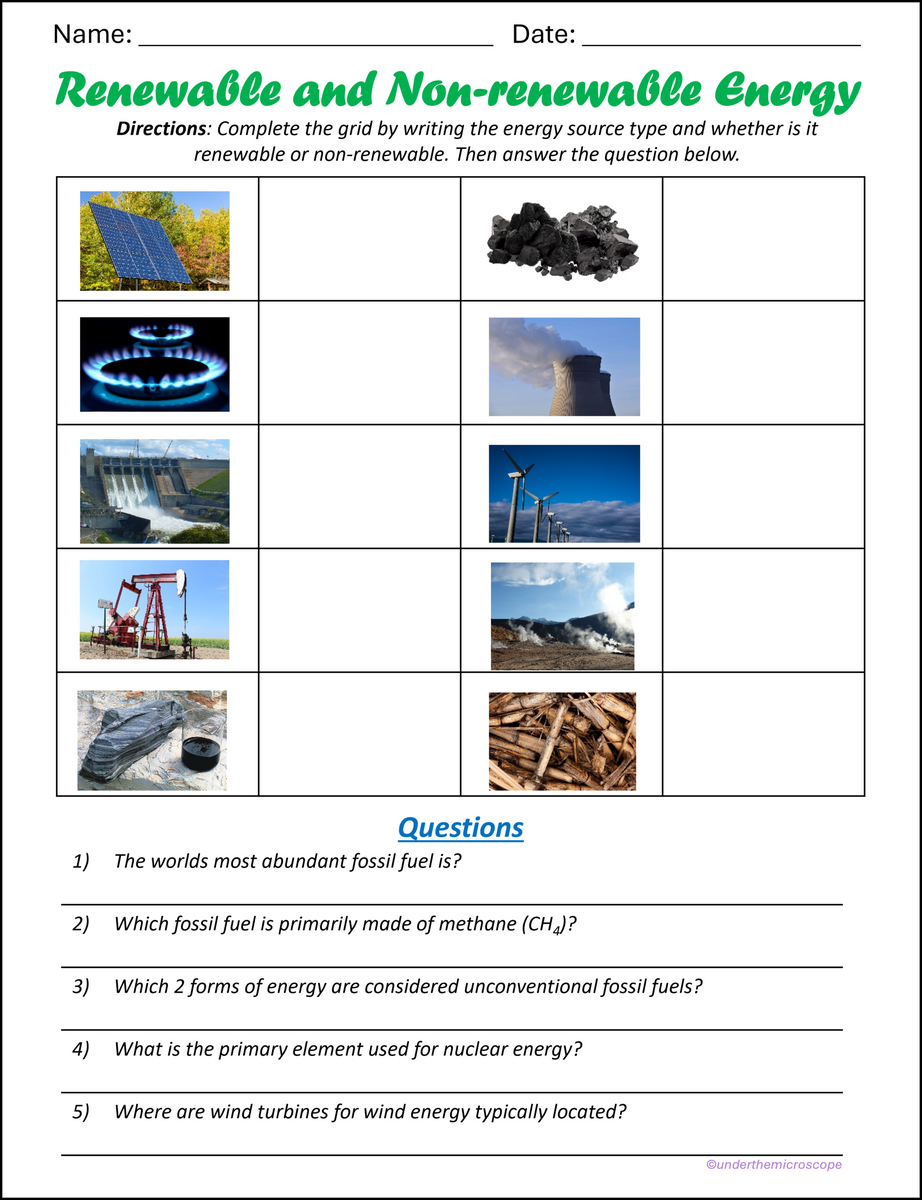
Renewable And Nonrenewable Energy Worksheets PDF Classful
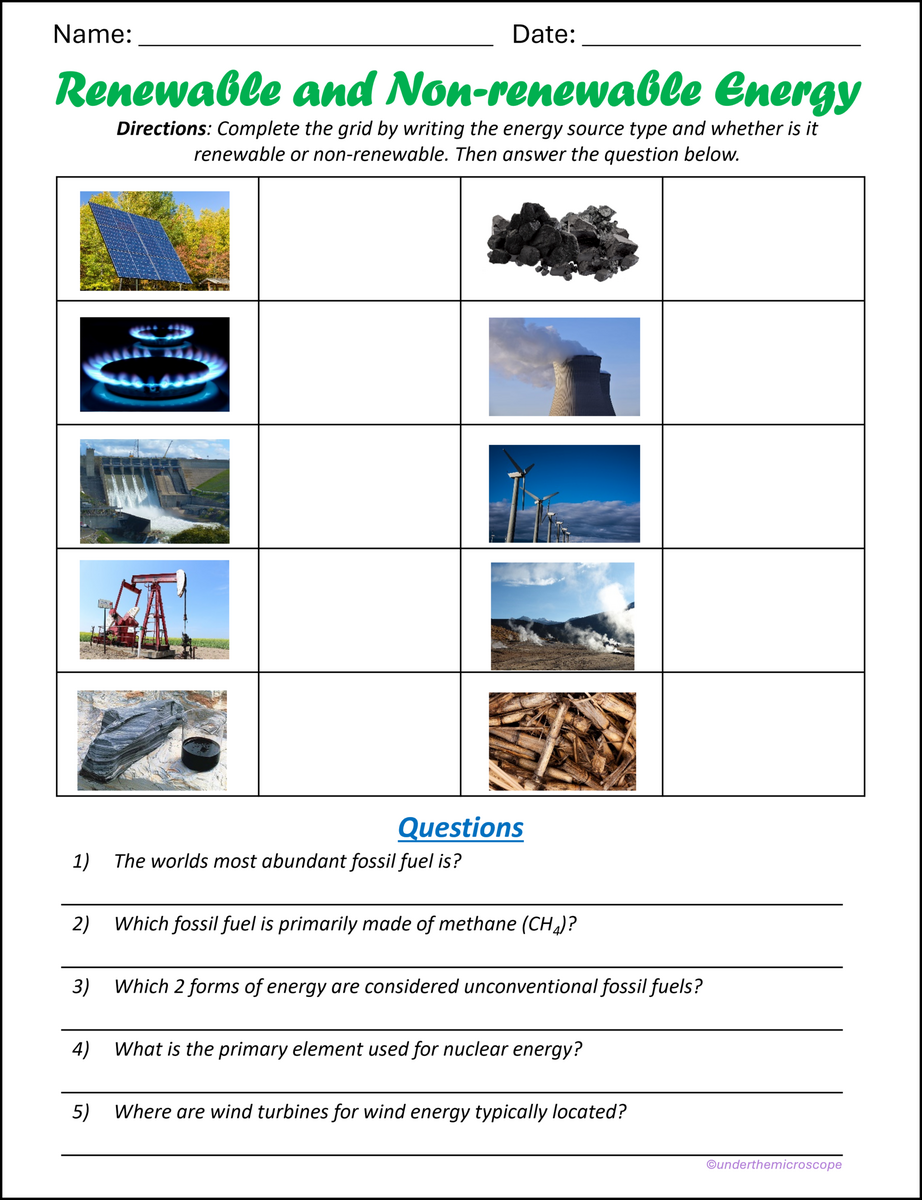
Renewable And Nonrenewable Energy Worksheets PDF Classful